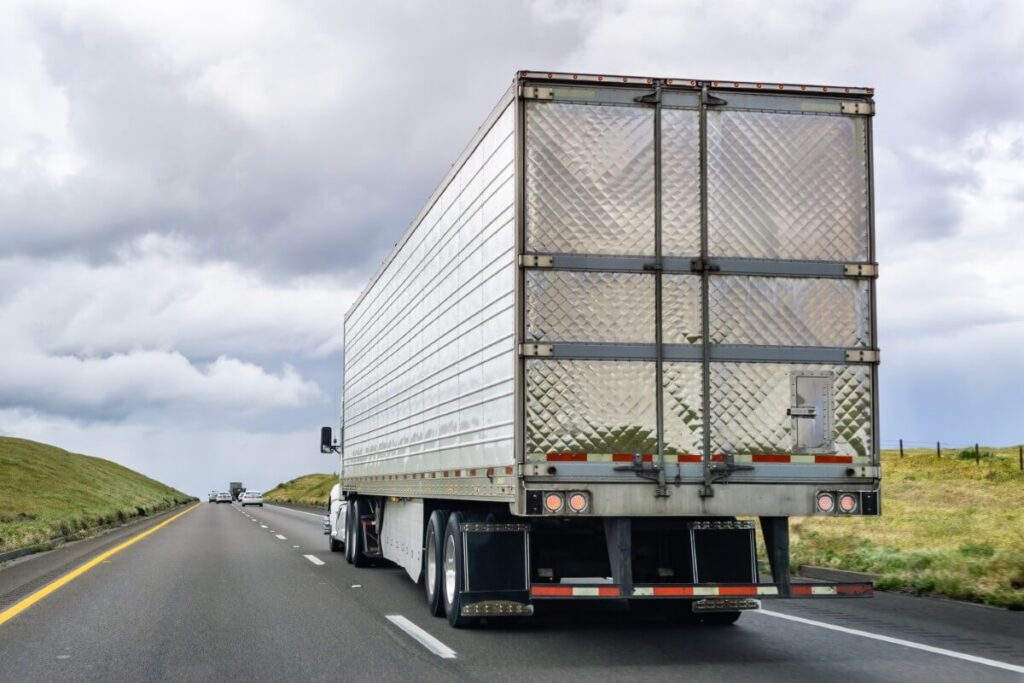
Trail freight, also known as rail cargo or rail transport, is a highly efficient and cost-effective method for moving large volumes of goods over long overland distances. It forms a critical backbone in modern logistics and supply chain management, offering a sustainable alternative to road transport.
SERVICE DETAIL
Key Advantages of Choosing Rail Freight
Rail transport provides significant benefits that make it an ideal choice for specific logistics needs:
Cost-Effectiveness for Bulk & Long Haul: Rail freight offers a lower cost per ton-kilometre compared to road transport, especially for heavy, bulky shipments traveling vast distances.
High Capacity: A single freight train can transport the cargo equivalent of dozens of trucks (a single rail car can haul 3-4 times more than an average truck), significantly reducing the number of vehicles on the road.
Sustainability & Eco-Friendliness: Rail is one of the most environmentally responsible modes of land transport. It boasts a significantly lower carbon footprint and is up to four times more fuel-efficient than trucking, directly supporting corporate sustainability goals.
Reliability & Predictability: Trains operate on fixed schedules and dedicated rail networks, making them less susceptible to traffic congestion, road accidents, and adverse weather disruptions that typically affect road freight.
Enhanced Security: Cargo remains sealed within containers or specialized wagons throughout the long-haul journey, minimizing handling and reducing the risk of theft or damage compared to road-side stops.
Rail Freight Services: FCL, LCL, and Intermodal
We offer flexible rail freight services tailored to your specific cargo volume and supply chain needs:
Intermodal Transport: Seamless Door-to-Door
Intermodal freight is the core of modern rail logistics. It involves transporting goods in a single, sealed Intermodal Container (ISO container) using two or more different modes of transportation—most commonly rail for the long hauland trucks for the first/last mile (drayage). This approach leverages the cost efficiency of rail with the door-to-door flexibility of road transport.
Full Container Load (FCL)
Description: The entire rail container (e.g., 20ft or 40ft) is booked for exclusive use by a single shipper, even if the container isn’t completely full.
Ideal For: High-volume shipments (typically 15 m3 or more), fragile or high-value cargo, and time-sensitive deliveries where maximum security is required.
Benefits:
Fastest Transit Time: Minimal handling as the container is sealed at origin and only opened at the destination.
Maximum Security: Dedicated, sealed container reduces risk of mixing or interference.
Lower Unit Cost: Achieves the lowest cost per cubic meter when fully loaded.
Less than Container Load (LCL)
Description: Multiple smaller shipments from different shippers are consolidated (grouped) into a single container for rail transport. The shipper only pays for the space (Cubic Metres/CBM) their cargo occupies.
Ideal For: Small to mid-sized shipments (typically under 15 m3), businesses like e-commerce or SMEs with irregular or lower-volume needs, and test shipments.
Benefits:
Cost-Efficient for Small Loads: Lower upfront cost, as you only pay for the exact volume used.
Maximum Flexibility: Ship goods immediately without waiting to fill an entire container.
Optimal Use Cases and Considerations
What to Ship by Rail
Rail freight is best suited for:
Cargo Type
Examples
Bulk Commodities
Coal, aggregates, grain, chemicals, raw materials
Industrial Goods
Metals, machinery, auto parts, building materials
Consumer Products
Appliances, non-perishable food products, retail goods in containers
When evaluating rail freight for your supply chain, consider the following factors:
Infrastructure Access: Does your origin and destination have direct rail access or proximity to an intermodal terminal? If not, transloading (transferring cargo between railcar and truck) or drayage services will be required for door-to-door delivery.
Distance and Volume: Rail is most economical and competitive for long distances and high-volume, consistent shipments.
Final Delivery: Rail transport is typically not “door-to-door” on its own. It requires a final-mile truck delivery (drayage) from the rail terminal to the ultimate destination.
Our Rail Freight Solutions
We offer comprehensive rail freight management, including:
Network Coverage
Access to extensive national and international rail networks, including major East-West corridors.
01
Door-to-Door Service
Fully integrated intermodal solutions combining long-haul rail with first/last-mile trucking.
02
Customs & Documentation
Expert handling of all necessary customs procedures and documentation for cross-border rail movements.
03
Real-Time Tracking
Advanced tracking and tracing systems to monitor your cargo’s location and estimated time of arrival (ETA) throughout the journey.
04
Specialized Equipment
Provision of appropriate railcar types (e.g., boxcars, flatcars, tank cars) and containers (dry, reefer) for diverse cargo needs.
05
Complete Freight Management:
Full-service planning and execution, including route optimization, cargo insurance, terminal loading/unloading, and final mile delivery.